Backyard Ideas With Pebbles
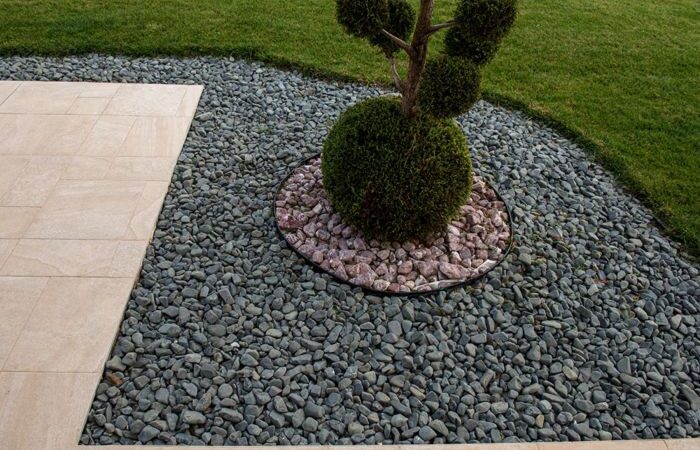
Backyard ideas with pebbles offer a wealth of possibilities for enhancing your outdoor space. From elegant pathways winding through meticulously planned gardens to charming patios perfect for relaxation, pebbles provide a versatile and aesthetically pleasing material for a wide array of landscaping projects. This exploration delves into the diverse applications of pebbles, showcasing creative designs and practical guidance for transforming your backyard into a haven of beauty and functionality. We’ll cover everything from planning and material selection to construction techniques and maintenance tips, ensuring you know how to create a stunning and enduring pebble-based landscape.
This guide will explore various design concepts, including pebble pathways, gardens, patios, and even water features. We will examine the advantages of using pebbles compared to other materials, considering factors such as cost, durability, and maintenance. Furthermore, we’ll offer practical advice on choosing the right type of pebble for your project, ensuring the successful integration of these natural elements into your backyard oasis.
Pebble Pathways and Designs
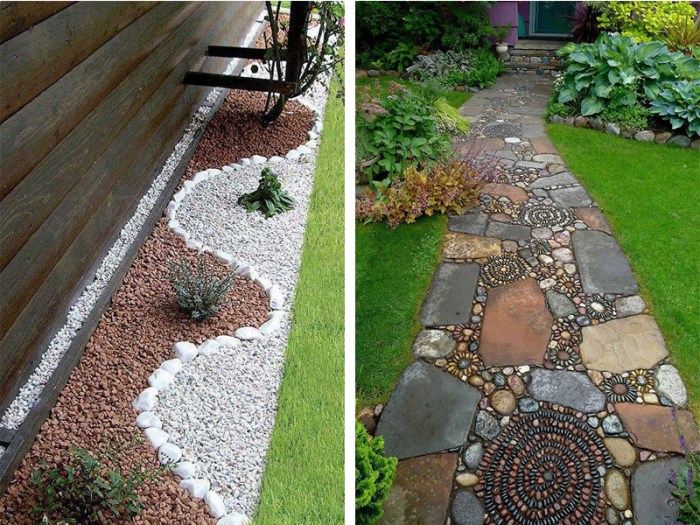
Pebble pathways offer a charming and versatile addition to any backyard. Their natural aesthetic complements various landscaping styles, from formal to rustic. This section explores diverse pathway designs, material comparisons, and the advantages of choosing pebbles over other paving materials.
Three Pebble Pathway Designs
Here are three distinct pebble pathway designs, varying in complexity and style:
- Simple Straight Path: A straightforward 10ft x 2ft path using small, uniformly sized river pebbles. Materials needed: approximately 10 cubic feet of river pebbles, edging stones (approximately 20 linear feet), and landscape fabric. This design is easy to install and requires minimal maintenance.
- Curved Garden Path: A more intricate 15ft long, 2-3ft wide curved path using a mix of medium and large pebbles for visual interest. Materials needed: approximately 15 cubic feet of mixed-size pebbles (river pebbles and larger decorative stones), edging stones (approximately 30 linear feet), landscape fabric, and possibly some sand for leveling.
- Mosaic Pebble Path: A creative 5ft x 3ft path featuring different colored pebbles arranged in a simple pattern (e.g., stripes or geometric shapes). Materials needed: approximately 5 cubic feet of assorted colored pebbles, edging stones (approximately 16 linear feet), landscape fabric, and a stencil for precise pattern creation. This design requires more time and planning.
Pebble Type Comparison
The cost and maintenance of pebble pathways can vary based on the type of pebble used. The table below compares three common choices:
| Pebble Type | Cost per Cubic Foot | Maintenance | Durability |
|---|---|---|---|
| River Pebbles | $15 – $30 | Low; occasional wedding | Moderate; can shift over time |
| Sea Glass Pebbles | $30 – $50 | Low; occasional cleaning | High; very durable |
| Decorative Pebbles | $20 – $40 | Low; minimal maintenance | Moderate; depends on the type of pebble |
Benefits of Pebble Pathways
Source: amazonaws.com
Pebble pathways offer several advantages over concrete or pavers:
- Natural Aesthetics: Pebbles provide a natural, organic look that complements various landscaping styles.
- Permeability: Pebble pathways allow water to permeate the ground, reducing runoff and benefiting the surrounding plants.
- Cost-Effectiveness: In many cases, pebbles are a more budget-friendly option than concrete or pavers.
- Easy Installation: Installing a pebble pathway is relatively simple, even for DIY enthusiasts.
Pebble Gardens and Landscaping
Source: genmice.com
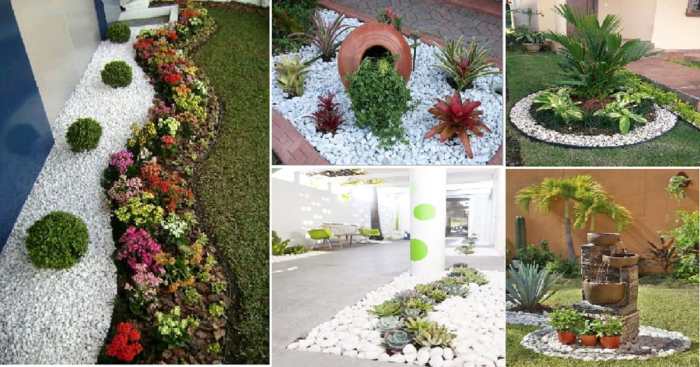
Pebble gardens offer a low-maintenance and visually appealing way to enhance your backyard. Their drought-tolerant nature makes them ideal for water-wise landscaping. This section details the creation of pebble gardens, rock gardens, and creative pebble accents.
Creating a Low-Maintenance Pebble Garden
A low-maintenance pebble garden requires careful plant selection and proper preparation. Choose drought-tolerant plants like succulents, sedums, and lavender. Begin by clearing the area, laying landscape fabric to suppress weeds, and then adding a layer of pebbles. Space plants appropriately, considering their mature size. Regular weeding is minimal, and watering is infrequent, except during extended dry periods.
Designing a Rock Garden
A small rock garden can be a beautiful focal point. Imagine a 4ft x 3ft area featuring a blend of grey and reddish-brown pebbles of varying sizes, creating a textured surface. Intersperse drought-tolerant plants like miniature cacti, creeping thyme, and small succulents. The pebbles provide a stark contrast to the vibrant green of the plants, creating a visually striking landscape.
Creative Pebble Landscaping Accents
Pebbles can add visual interest to existing landscaping:
- Flowerbed Edging: Create a neat border around flowerbeds using a single layer of uniform-sized pebbles.
- Tree Ring Mulch: Replace traditional mulch with pebbles around the base of trees to prevent weed growth and retain moisture.
- Path Delimiters: Use pebbles to define the edges of pathways, creating a clear separation between different areas.
- Water Feature Accents: Place pebbles around ponds or fountains to create a natural, textured edge.
- Dry Creek Beds: Create the illusion of a dry creek bed using different sizes and colors of pebbles.
Pebble Patios and Seating Areas: Backyard Ideas With Pebbles
Pebble patios offer a unique and inviting outdoor space. This section Articulates the construction process, compares pebbles to other patio materials, and presents a design for a comfortable pebble seating area.
Constructing a Pebble Patio, Backyard ideas with pebbles
Building a small pebble patio involves several steps: Prepare the base by leveling the ground and adding a layer of compacted gravel. Lay landscape fabric to prevent weed growth. Spread a layer of sand to level the pebbles. Spread the pebbles evenly, ensuring proper compaction. Install edging to maintain the patio’s shape and prevent pebbles from shifting. Consider using a paver base for added stability, especially in high-traffic areas.
Pebbles vs. Other Patio Materials
Pebble patios offer a more natural aesthetic compared to flagstone or brick. While flagstone and brick are more durable and resistant to shifting, pebble patios are easier to install and maintain, providing a more budget-friendly alternative.
Designing a Pebble Seating Area
Imagine a cozy seating area (6ft x 8ft) featuring a base of light-grey pebbles, complemented by darker-grey pebbles arranged in a simple geometric pattern. Include comfortable outdoor furniture, such as wicker chairs and a small table. Add string lights for a warm and inviting ambiance in the evenings. The contrast between the pebble colors and the furniture creates a visually appealing and relaxing space.
Water Features with Pebbles
Source: b-cdn.net
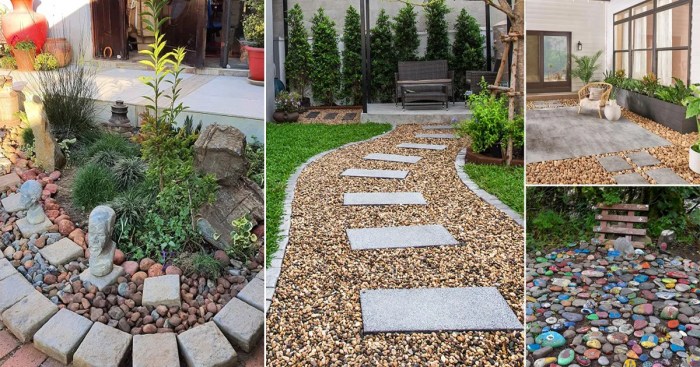
Incorporating pebbles into water features adds a natural touch and enhances the overall aesthetic. This section explores different ways to use pebbles in water features, discusses practical considerations, and lists the pros and cons.
Incorporating Pebbles into Water Features
- Pond Liners: Use pebbles to camouflage the edges of a pond liner, creating a natural-looking shoreline.
- Fountain Bases: Create a textured base for a fountain using a variety of pebbles in different colors and sizes.
- Stream Beds: Line a backyard stream or dry creek bed with pebbles to mimic a natural watercourse.
Practical Considerations
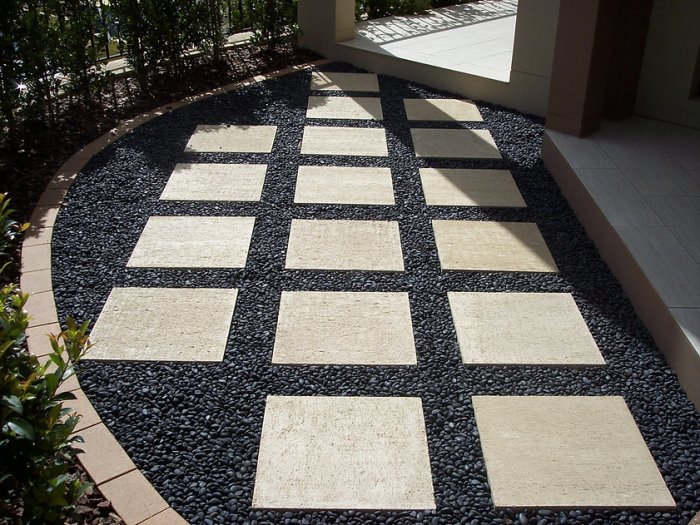
Source: wixstatic.com
Using pebbles in water features requires considering water filtration and maintenance. Regular cleaning is necessary to remove debris and prevent clogging. The type of pebble chosen should be durable and resistant to weathering and algae growth. Proper water circulation helps prevent stagnation and keeps the water clean.
Pros and Cons of Pebbles in Water Features
- Pros: Natural look, cost-effective, easy to install, variety of colors and textures available.
- Cons: Can shift over time, may require regular cleaning, and some pebbles may not be suitable for all water feature types.
Creative Uses of Pebbles in the Backyard
Beyond pathways and gardens, pebbles offer endless creative possibilities for enhancing your backyard. This section explores unique applications and provides a step-by-step guide for creating pebble mosaic artwork.
Unique Uses for Pebbles
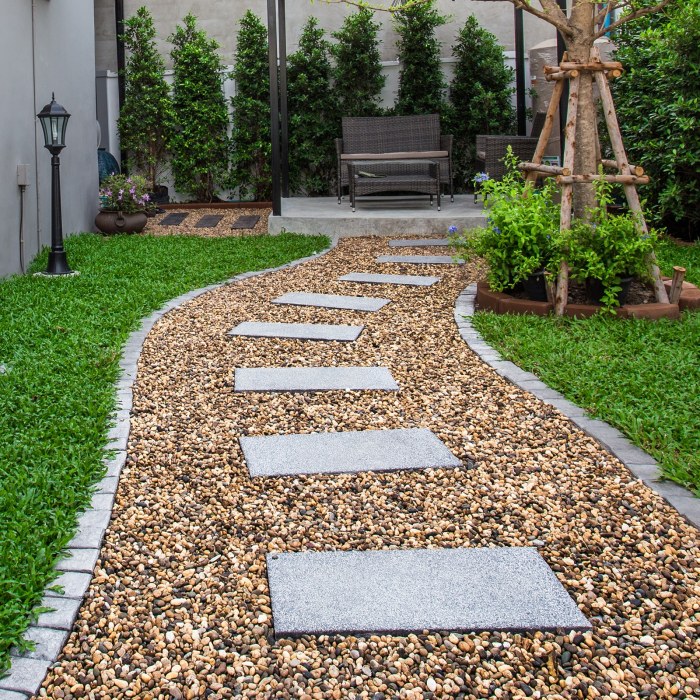
Source: com.au
- Decorative Borders: Create decorative borders around garden beds or pathways using different colored pebbles.
- Art Installations: Construct pebble sculptures or mosaics for a unique artistic touch.
- Bird Baths: Create a natural-looking bird bath by placing pebbles around the base.
- Step Stones: Use larger, flat pebbles as stepping stones across a lawn or garden.
- Planter Fillers: Use pebbles to fill planters for drainage and visual appeal.
Creating Visual Interest with Pebbles
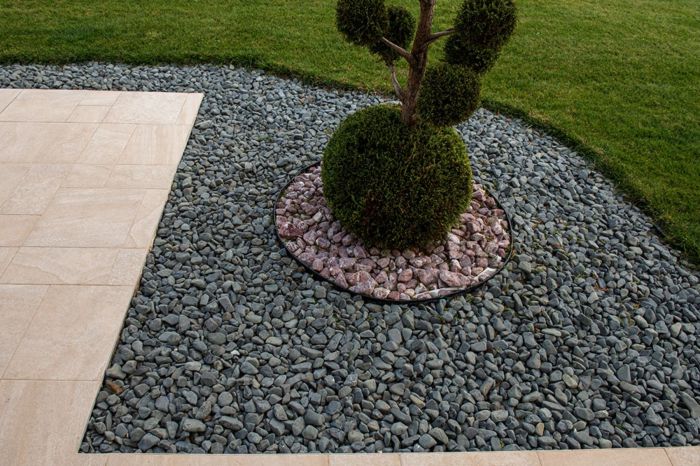
Source: com.au
Using different colors and sizes of pebbles adds texture and visual interest. For example, contrasting light and dark pebbles can create a striking effect. Mixing different shapes and sizes can add depth and complexity.
Creating a Pebble Mosaic
To create a pebble mosaic, sketch your design on the surface. Apply adhesive to the surface. Carefully place the pebbles according to your design, ensuring they are firmly adhered to. Once the adhesive is dry, seal the mosaic with a waterproof sealant to protect it from the elements.
Essential Questionnaire
Are pebbles suitable for high-traffic areas?
While pebbles can be used in high-traffic areas, selecting larger, more durable pebbles and ensuring a well-compacted base is crucial for longevity and preventing shifting or settling.
How do I prevent weeds from growing in my pebble pathways?
Use a landscape fabric as a weed barrier beneath the pebbles. This will significantly reduce weed growth and make maintenance easier.
What is the best way to clean a pebble patio?
Regular sweeping is sufficient for most maintenance. For deeper cleaning, use a garden hose or pressure washer (low pressure) to remove dirt and debris.
Can I use different colored pebbles together?
Absolutely! Combining different colors and sizes of pebbles can create interesting visual textures and patterns, adding depth and character to your design.
Are there any specific safety considerations when using pebbles in a backyard?
Ensure pebbles are securely laid to prevent tripping hazards, especially in pathways. Sharp-edged pebbles should be avoided in areas where children play.
Comments are closed.