Flagstone Rocks For Landscaping
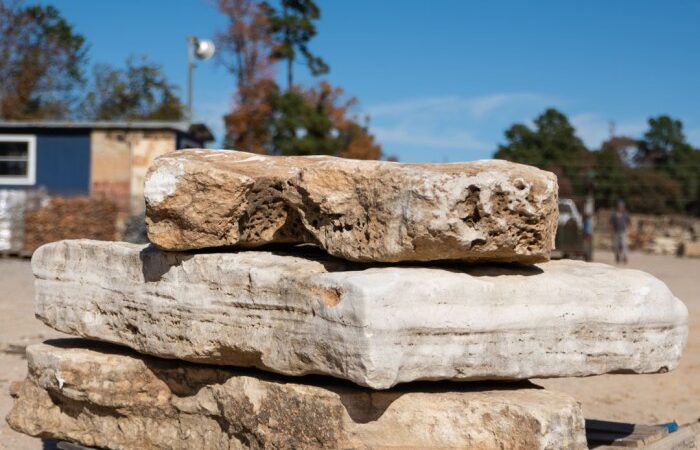
Flagstone rocks for landscaping offer a timeless, versatile solution for enhancing outdoor spaces. From elegant pathways to rustic patios, flagstone’s natural beauty and durability create stunning visual appeal while adding significant value to any property. This guide delves into the diverse world of flagstone, exploring its various types, installation methods, maintenance requirements, design applications, and cost considerations, providing you with the knowledge to confidently embark on your flagstone landscaping project.
We will examine the different types of flagstone available, comparing their aesthetic qualities, durability, and environmental impact. We’ll then guide you through the installation process, from ground preparation to the final touches, offering detailed instructions and design ideas for patios, pathways, and retaining walls. Furthermore, we will discuss effective maintenance techniques and cost-saving strategies and address common challenges encountered during installation and upkeep. By the end, you’ll possess a comprehensive understanding of everything needed to successfully incorporate flagstone into your landscape design.
Types of Flagstone for Landscaping
Flagstone, a naturally occurring stone, offers a diverse range of options for landscaping projects. The choice of flagstone depends on factors such as aesthetic preferences, budget, and the specific demands of the project. Different types vary significantly in color, texture, and durability, impacting both the visual appeal and the longevity of the installation.
Flagstone Types, Characteristics, and Sourcing
The following table summarizes the key characteristics of common flagstone types. Note that color variations within each type are significant, and durability can be affected by installation and maintenance.
| Type | Color Variations | Texture | Durability |
|---|---|---|---|
| Bluestone | Blues, grays, purples | Smooth to rough, often with subtle striations | High; resistant to weathering and wear |
| Limestone | Beige, tan, gray, buff | Smooth to rough, can be porous | Moderate; susceptible to acid etching and staining |
| Sandstone | Reds, browns, yellows, grays | Variable; can be smooth, rough, or textured | Moderate to high; varies depending on the specific type |
| Slate | Grays, blacks, greens | Smooth to rough, often with a layered appearance | High; very durable and resistant to weathering |
Sourcing flagstone has environmental implications. Locally sourced stone minimizes transportation costs and reduces carbon emissions. However, responsible quarrying practices are crucial to mitigate environmental damage. Consumers should inquire about the sourcing and sustainability practices of suppliers.
Aesthetic Appeal and Landscaping Styles, Flagstone rocks for landscaping
Different flagstone types lend themselves to various landscaping styles. For example, the cool tones of bluestone complement modern and minimalist designs, while the warm hues of sandstone are ideal for rustic or traditional settings. Limestone’s versatility allows its use in both formal and informal landscapes. Slate’s sleek appearance works well in contemporary settings. Careful consideration of color and texture is crucial for achieving a cohesive aesthetic.
Flagstone Installation Methods
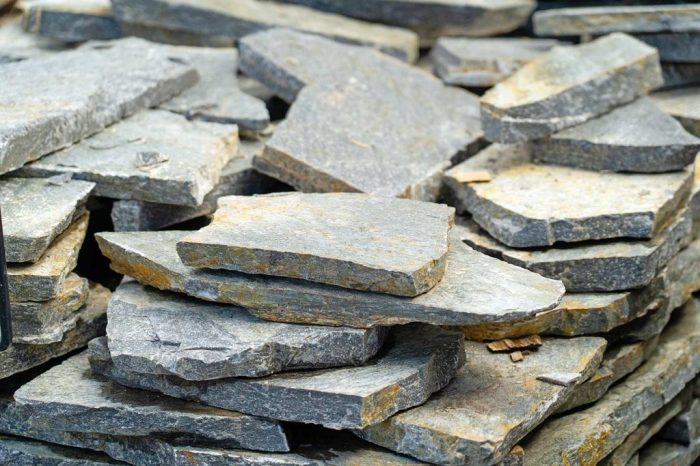
Source: sunlandtopsoil.com
Proper installation is critical for the longevity and aesthetic appeal of a flagstone project. Preparation of the base is as important as the stone selection and placement. This section Outlines the key steps involved in installing flagstone pathways, patios, and retaining walls.
Ground Preparation and Installation Steps
Before laying any flagstone, thorough ground preparation is essential. This ensures a stable, level surface and prevents settling or shifting over time.
- Grading: Level the area, removing any significant slopes or unevenness.
- Compaction: Compact the soil using a tamper or plate compactor to create a firm base.
- Weed Control: Apply a landscape fabric to prevent weed growth.
- Base Layer: Install a layer of compacted gravel or crushed stone for drainage and stability.
- Sand Bedding: Spread a layer of leveling sand over the base.
- Flagstone Placement: Carefully place the flagstones, ensuring even spacing and a level surface.
- Grouting: Fill the gaps between flagstones with polymeric sand or a suitable grout.
Flagstone Patio Design Examples
The following are three examples of flagstone patio designs, showcasing different sizes, shapes, and material specifications.
- Small Square Patio: A 10ft x 10ft square patio using predominantly light-colored limestone flagstones, with darker accent stones arranged in a simple pattern. The surrounding area could be gravel or mulch.
- Large Irregular Patio: A 20ft x 15ft irregularly shaped patio using a mix of bluestone and sandstone flagstones, creating a natural and varied appearance. This design would benefit from a more complex pattern, perhaps incorporating curves and varying stone sizes.
- Rectangular Patio with Border: A 15ft x 12ft rectangular patio with a defined border of larger, darker slate flagstones. The interior could use smaller, lighter-colored limestone flagstones laid in a running bond pattern.
Flagstone Maintenance and Care
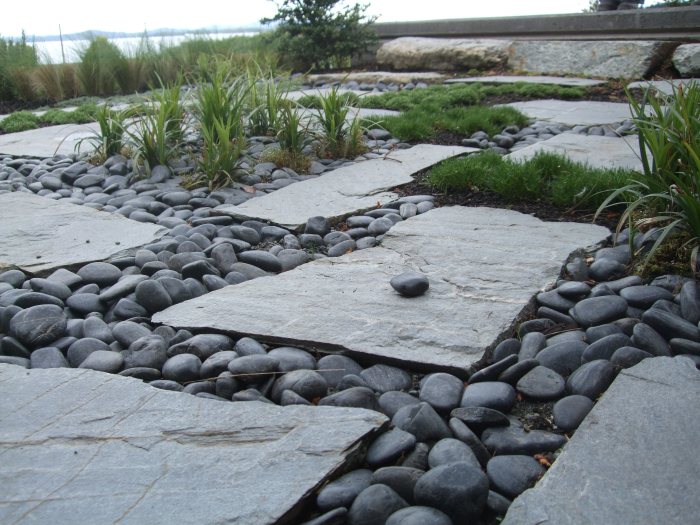
Source: k2stone.com
Regular maintenance extends the life and beauty of your flagstone surfaces. This involves cleaning, sealing, and addressing common problems promptly.
Cleaning and Stain Removal
Regular sweeping or brushing removes loose debris. For more thorough cleaning, use a pressure washer (low-pressure setting) or a stiff brush and a solution of mild detergent and water. For stubborn stains, consult a professional stone cleaner. Moss and weed growth can be addressed with a specialized moss killer or by gently scrubbing with a brush.
Flagstone Sealing Methods
| Sealing Method | Advantages & Disadvantages |
|---|---|
| Penetrating Sealer | Advantages: Enhances natural color, and allows breathability. Disadvantages: Requires more frequent reapplication. |
| Surface Sealer | Advantages: Provides a protective layer, easier to clean. Disadvantages: Can alter the appearance, less breathable. |
Common Problems and Solutions
Common problems include cracking (due to frost heave or settling), staining (from spills or algae), and weed growth (if the base isn’t properly prepared). Solutions include repairing cracks with epoxy, using specialized cleaners for stains, and addressing weed growth with appropriate herbicides or preventative measures.
Design Ideas and Applications
Flagstone’s versatility makes it suitable for a wide range of landscaping applications and design styles. Its natural beauty enhances various settings, from modern to rustic.
Landscaping Design Examples
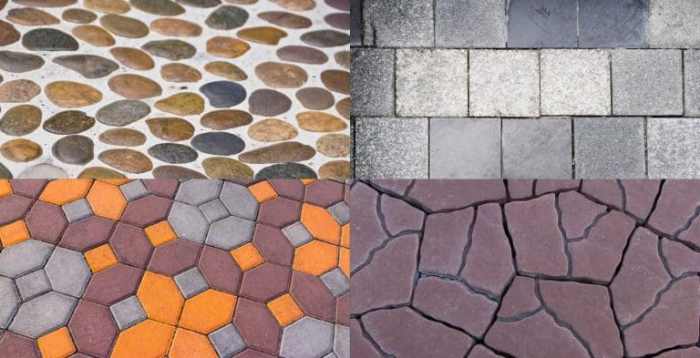
Source: edenapp.com
- Modern Design: A minimalist patio with large, rectangular bluestone flagstones, surrounded by low-growing succulents and grasses. Clean lines and a neutral color palette create a sophisticated look.
- Rustic Design: A winding pathway made of irregularly shaped sandstone flagstones, bordered by wildflowers and native shrubs. This design emphasizes natural textures and colors.
- Traditional Design: A formal patio with meticulously placed limestone flagstones, creating a geometric pattern. The surrounding area features neatly trimmed hedges and flowering plants in symmetrical arrangements.
Integration with Other Materials
Flagstone complements various landscaping materials. It can be combined with gravel for pathways, wood for retaining walls, and concrete for steps or borders. The choice of complementary materials depends on the overall design aesthetic and functionality.
Effective Landscaping Applications
Source: meyerlandscape.com
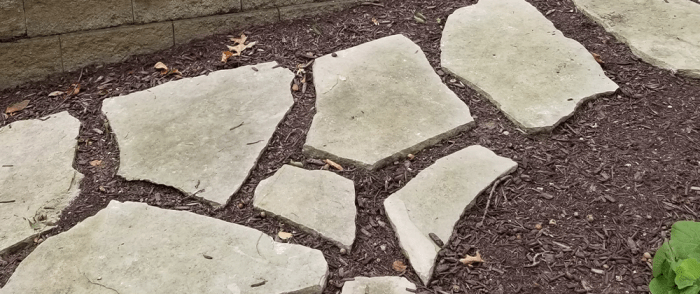
Flagstone is particularly effective for patios, pathways, retaining walls, dry creek beds, and water features. Its durability and natural beauty make it a versatile choice for enhancing outdoor spaces.
Cost Considerations and Budgeting: Flagstone Rocks For Landscaping
The cost of a flagstone landscaping project depends on several factors, including the type of flagstone, quantity needed, labor costs, and additional materials. Careful budgeting is crucial to ensure a successful project.
Cost Breakdown and Budgeting Tips
Source: dirtsoilandmore.com
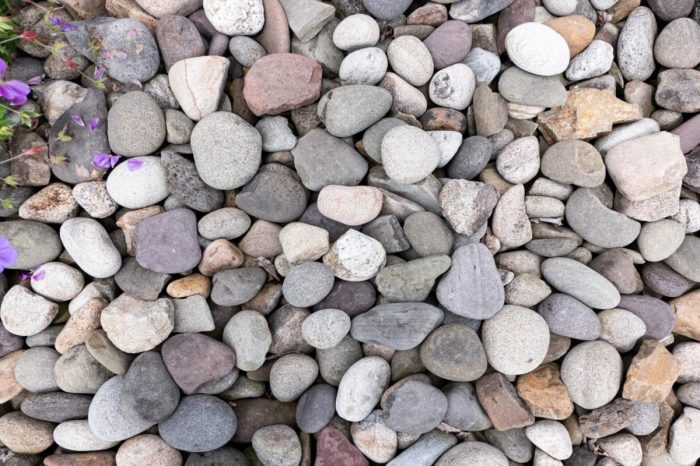
Costs include flagstone purchase (price per square foot varies widely by type and source), site preparation, installation labor, sand and gravel, and sealing. Obtain multiple quotes from contractors, consider DIY options where feasible (for smaller projects), and explore cost-saving measures like using readily available local stone.
Cost Comparison with Alternatives
Source: aandastone.com
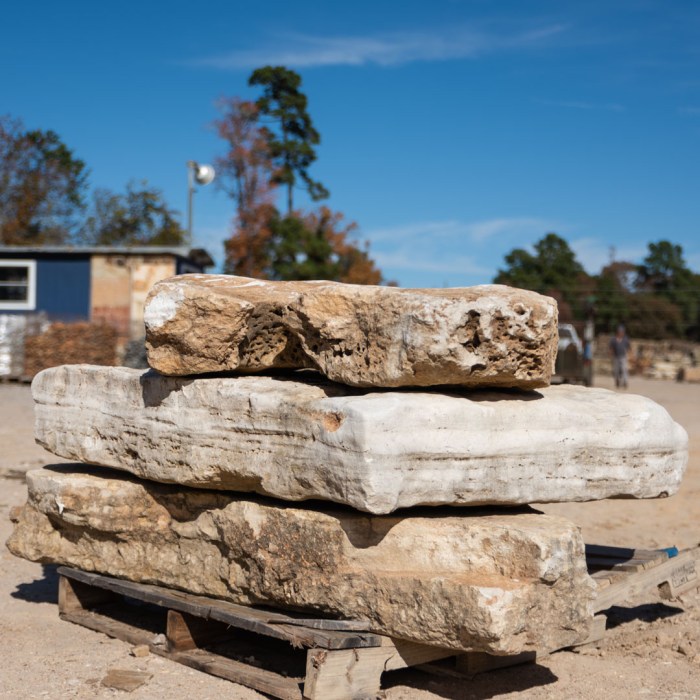
Compared to other paving materials like concrete or pavers, flagstone can be more expensive initially. However, its durability and aesthetic appeal often justify the higher cost. The long-term maintenance costs for flagstone are generally lower than those for some alternatives.
Query Resolution
What is the average lifespan of a flagstone patio?
With proper installation and maintenance, a flagstone patio can last for decades, even a century or more.
Can I install Flagstone myself?
While possible for smaller projects, larger or complex installations may require professional help for optimal results and to ensure longevity.
How do I prevent weeds from growing between flagstones?
Proper ground preparation, including weed control fabric and careful sealing, can significantly minimize weed growth.
Are there different grades of flagstone?
Yes, flagstone is often categorized by grade, reflecting its uniformity, thickness, and overall quality. Higher grades typically command higher prices.
What type of sealant is best for flagstone?
The best sealant depends on the type of flagstone and climate. Consult with a landscaping professional for specific recommendations.
Comments are closed.