Rock Landscaping Front Yard
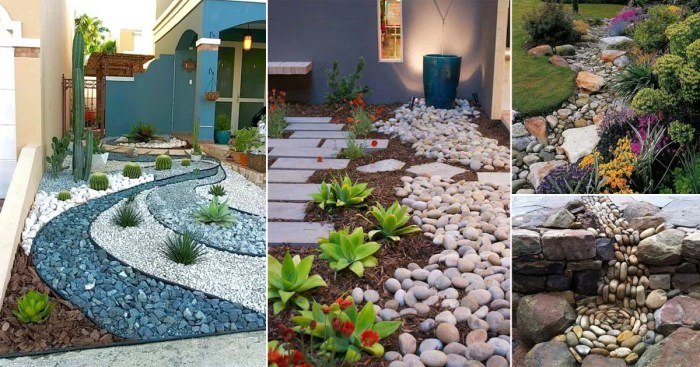
Rock landscaping front yard designs offer a unique blend of natural beauty and enduring style. From the rugged charm of a rustic design incorporating river rocks and drought-tolerant plants to the sleek minimalism of a modern landscape featuring precisely placed granite slabs, the possibilities are vast. This guide explores various rock types, design considerations, maintenance strategies, and cost-effective approaches to help you create a stunning and low-maintenance front yard.
We’ll delve into the practical aspects of choosing the right rocks for your climate and aesthetic preferences, detailing the process of designing and building rock features like retaining walls. We’ll also provide insights into plant selection, ensuring your rock landscape thrives and complements your home’s architectural style. Whether you’re aiming for a tranquil oasis or a bold statement, this guide provides the knowledge and inspiration to transform your front yard into a captivating landscape.
Types of Rocks for Front Yard Landscaping
Selecting the right type of rock for your front yard landscaping is crucial for both aesthetic appeal and long-term durability. Different rocks offer unique visual characteristics, varying degrees of hardness, and diverse maintenance requirements. Understanding these differences will help you make an informed decision that complements your home’s style and your landscaping goals.
Granite, Limestone, Sandstone, and River Rock Comparison
Granite, limestone, sandstone, and river rock are popular choices for landscaping, each possessing distinct properties. The following table provides a comparison to aid in your selection process.
| Type | Color Variations | Durability | Cost | Maintenance |
|---|---|---|---|---|
| Granite | Gray, pink, black, white | Very high; resistant to weathering and erosion | High | Minimal; occasional cleaning |
| Limestone | Beige, gray, tan, buff | Moderate; susceptible to acid rain and weathering | Medium | Moderate; sealing may be required |
| Sandstone | Red, brown, tan, gray | Moderate; can be porous and susceptible to staining | Medium | Moderate; sealing recommended |
| River Rock | Various; smooth, rounded shapes | High; naturally weathered and durable | Low to Medium | Minimal; occasional weeding |
Visual Impact of Rock Colors and Textures
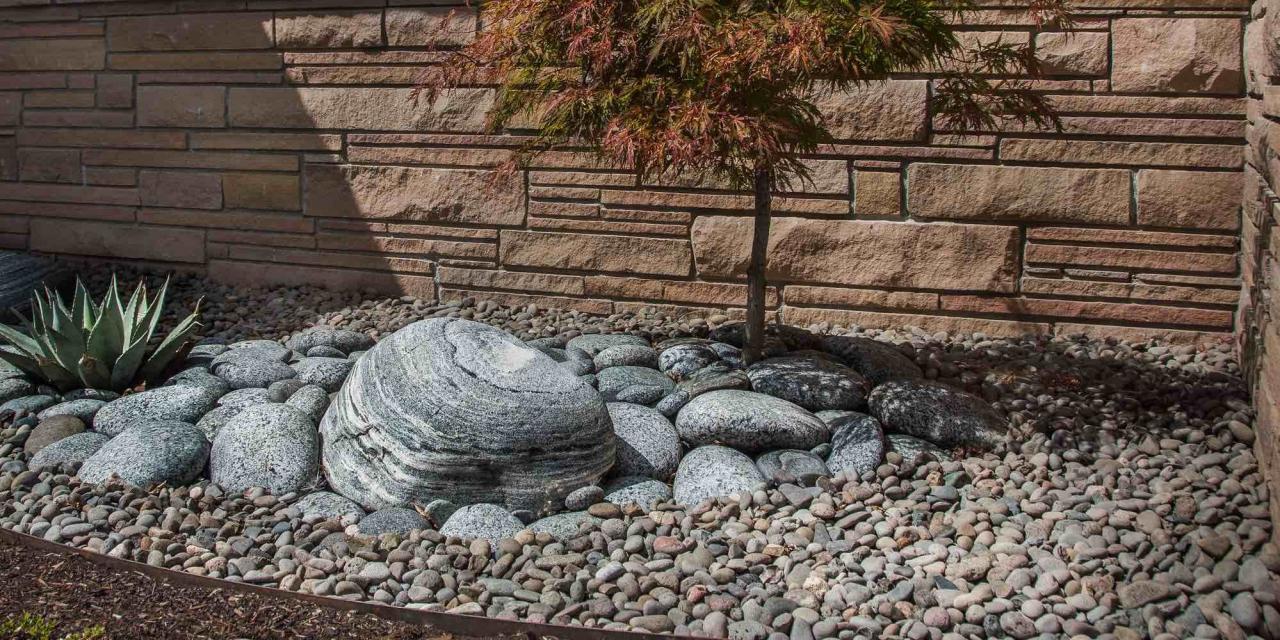
Source: sSquarespacecdn.com
The color and texture of rocks significantly influence the overall aesthetic of your front yard. For instance, the cool tones of gray granite create a modern and sleek look, while the warm hues of sandstone offer a rustic charm. Rough-textured rocks add a sense of ruggedness, whereas smooth, polished stones contribute to a more refined ambiance. Consider how different rock colors and textures will interact with your home’s architecture and the surrounding landscape.
Designing with Rock in a Front Yard
Rocks offer incredible versatility in front yard landscaping, enabling the creation of diverse and striking designs. From modern minimalism to traditional elegance, rocks can be the foundation of your landscape’s unique character.
Three Front Yard Rock Landscaping Schemes
Here are three distinct landscaping schemes showcasing the diverse applications of rocks:
- Modern Minimalist:
- Rock Type: Clean lines of gray granite slabs and gravel.
- Placement: Large granite slabs create a pathway, with gravel used as ground cover.
- Accompanying Plants: Low-maintenance succulents and grasses in muted colors.
- Rustic Charm:
- Rock Type: A mix of sandstone boulders, flagstones, and river rocks.
- Placement: Boulders form focal points, flagstones create a meandering pathway, and river rocks are used as mulch around plants.
- Accompanying Plants: Wildflowers, drought-tolerant shrubs, and grasses in warm tones.
- Traditional Elegance:
- Rock Type: Neatly arranged limestone pavers and edging stones.
- Placement: Pavers form a formal pathway and patio area, and edging stones define flower beds.
- Accompanying Plants: Classic roses, boxwoods, and other structured shrubs.
Integrating Rocks with Existing Landscaping Elements
Rocks can seamlessly integrate with existing landscaping features. They can be used to create retaining walls to manage slopes, define walkways and patios, and form borders around flower beds. The key is to choose rock types and sizes that complement the existing elements, creating a cohesive and visually appealing design.
Creating a Rock Retaining Wall
Constructing a rock retaining wall requires careful planning and execution. Begin by excavating the area, and creating a level base. Use gravel for drainage. Lay the first course of rocks, ensuring they are level and firmly seated. Continue layering rocks, using larger stones at the bottom and smaller ones towards the top. Backfill with gravel behind the wall for stability.
Rock Landscaping Maintenance and Considerations
While rock landscaping offers long-term durability, regular maintenance is essential to preserve its beauty and functionality. Addressing potential issues proactively will prevent more significant problems down the line.
Long-Term Maintenance Requirements
Different rock types require varying levels of maintenance. Porous rocks like sandstone may require periodic sealing to prevent staining, while granite generally needs minimal upkeep. Regular weeding is crucial to prevent unwanted plant growth from disrupting the aesthetic appeal and potentially damaging the rock structures.
Addressing Potential Issues
Weed growth, erosion, and settling are common concerns in rock landscaping. Using landscape fabric under gravel can help prevent weeds. Proper drainage and soil stabilization techniques can mitigate erosion. Regular inspection and prompt addressing of settling issues will prevent structural damage.
Cleaning and Preserving Rock Features
Regular cleaning helps maintain the appearance of rock features. A simple pressure washer can effectively remove dirt and debris. For more stubborn stains, consider using a specialized stone cleaner. Avoid harsh chemicals that could damage the rock’s surface.
Incorporating Plants with Rock Landscaping
Careful plant selection enhances the beauty and functionality of rock landscaping. Choosing plants that thrive in rocky environments complements the design and minimizes maintenance needs.
Plant Species for Rocky Environments
- Sedum: Sun-loving, drought-tolerant succulents; various sizes.
- Lavender: Prefers full sun; fragrant and drought-tolerant; medium size.
- Yarrow: Tolerates full sun to partial shade; drought-tolerant; medium size.
- Coneflower: Full sun; drought-tolerant; various sizes.
Effective Plant Incorporation
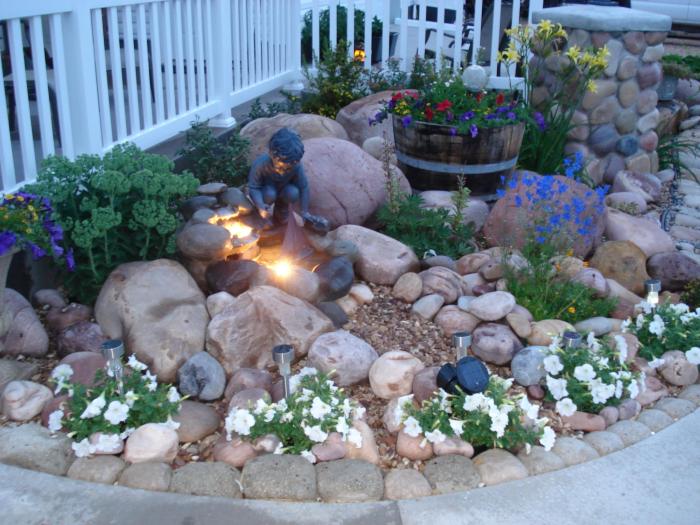
Source: livinator.com
Plants soften the hard lines of rock landscaping and add visual interest. Consider using a mix of sizes and textures to create depth and dimension. Group plants strategically to create focal points and visual pathways. Avoid overcrowding, which can hinder plant growth and create a cluttered appearance.
Plant Selection Based on Style and Climate
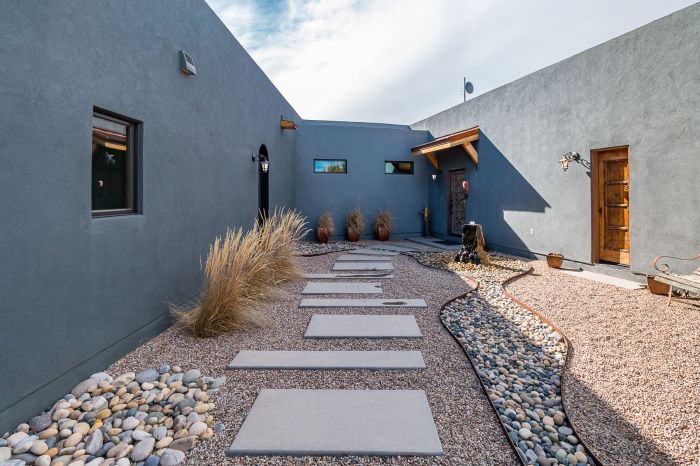
Source: pcdn.co
Plant selection should align with the overall landscaping style and local climate. Drought-tolerant plants are ideal for arid climates while moisture-loving species are suitable for wetter regions. Consider the mature size of plants to ensure they don’t overwhelm the rock features.
Budgeting and Sourcing Materials for Rock Landscaping
Planning your budget and sourcing materials efficiently are crucial for a successful rock landscaping project. Careful consideration of costs and material availability will ensure a project that fits your budget and timeline.
Typical Costs Associated with Rock Landscaping
Costs vary based on rock type, quantity, and labor. River rock is generally the most affordable, while granite can be significantly more expensive. Labor costs depend on the complexity of the project. Obtain multiple quotes from contractors to compare pricing.
Sourcing Rocks for Your Project
Local suppliers, quarries, and landscaping supply stores are excellent resources for sourcing rocks. Consider purchasing in bulk to potentially reduce costs. Recycling or repurposing existing rocks can also provide cost savings.
Estimating Rock Quantity
Accurate estimation is crucial to avoid overspending or running short of materials. Measure the area to be landscaped and calculate the volume of rock needed. Factor in-depth and allow for some extra material to account for settling and waste.
Visual Examples of Rock Landscaping
Visualizing different rock landscaping designs helps in selecting the best approach for your front yard. Here are three distinct examples that highlight the versatility of rock in landscaping.
Three Distinct Front Yard Rock Landscaping Designs
Design 1: Modern Zen Garden: Features smooth, gray granite stones arranged in a minimalist pattern, with carefully placed succulents and low-growing grasses. Subtle lighting accentuates the rock textures and plant forms. The overall aesthetic is clean, serene, and modern.
Design 2: Rustic Cottage Garden: Utilizes a mix of sandstone boulders, flagstones, and river rocks to create a natural, informal pathway and borders for flower beds. A variety of wildflowers, shrubs, and grasses add color and texture. The style is charming, welcoming, and traditional.
Design 3: Mediterranean Courtyard: Employs warm-toned limestone pavers and gravel to create a sun-drenched patio area. Drought-tolerant plants, such as lavender and rosemary, are planted in strategic locations. The overall style is elegant, and sophisticated, and evokes a sense of warmth and relaxation.
Using Rock Sizes and Shapes to Create Texture and Visual Interest
Source: b-cdn.net
Varying rock sizes and shapes add depth and complexity to the design. Large boulders create focal points, while smaller stones provide textural contrast. Mixing rounded river rocks with angular flagstones can add visual interest. Careful placement of different sizes and shapes can guide the eye and create a sense of movement.
Creating Focal Points and Visual Pathways, Rock landscaping the front yard.
Rocks can effectively create focal points and guide the eye through the landscape. Large, strategically placed boulders draw attention, while pathways created using flagstones or gravel lead visitors through the space. The interplay of rock placement and plant selection directs the flow and enhances the overall visual experience.
Q&A: Rock Landscaping Front Yard
How long does rock landscaping typically last?
With proper installation and minimal maintenance, rock landscaping can last for decades, even generations. The longevity depends on the type of rock used and the overall climate.
Can I install rock landscaping myself?
Smaller projects, such as adding a rock border or a small dry creek bed, are often manageable for DIY enthusiasts. Larger projects, especially those involving retaining walls, are best left to experienced professionals.
How do I prevent weed growth in my rock landscaping?
Use landscape fabric as a weed barrier before placing the rocks. Regular weeding, especially in the initial years, is also crucial. Consider using pre-emergent herbicides as well.
What is the best time of year to install rock landscaping?
The ideal time is usually during spring or fall when the weather is mild and the ground is not frozen. This allows for proper settling and easier planting.
How much does rock landscaping cost?
Costs vary greatly depending on the size of the project, the type of rock used, labor costs, and any additional features (like retaining walls or lighting). Getting multiple quotes from landscaping professionals is recommended.
Comments are closed.