Tropical Backyard Landscape
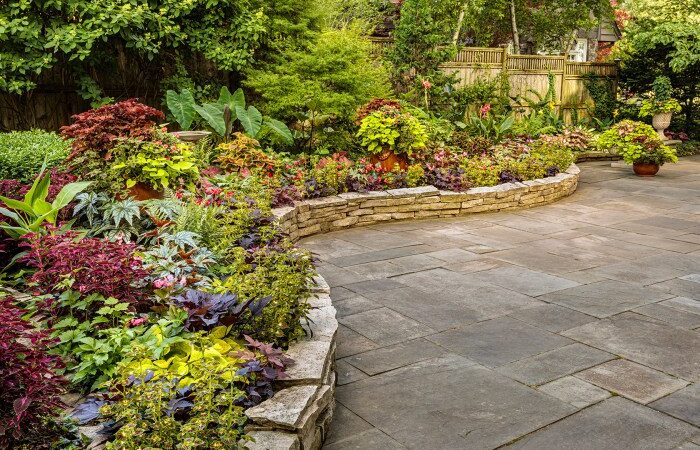
Tropical backyard landscape design transports you to a lush paradise, brimming with vibrant colors and the sounds of nature. This guide explores the art of creating a thriving tropical oasis in your backyard, covering everything from plant selection and arrangement to incorporating water features and designing a captivating lighting scheme. We’ll delve into the principles of tropical landscaping, offering practical advice and inspiring examples to help you transform your outdoor space into a personal sanctuary.
From choosing the perfect plants to suit your climate and sun exposure to understanding the nuances of hardscape materials and construction techniques, we’ll provide a comprehensive overview of the process. We’ll also examine the importance of creating a harmonious balance between natural elements, ensuring your tropical backyard is not only visually stunning but also environmentally sustainable. This guide is designed to empower you to create a unique and personalized tropical paradise that reflects your style and preferences.
Defining the “Tropical Backyard Landscape”
A tropical backyard landscape evokes the lush, vibrant beauty of tropical regions. It’s characterized by a dense, layered planting scheme, abundant foliage, and a generally humid and warm environment. This style aims to recreate the sensory richness of a tropical paradise, providing a tranquil and visually stimulating outdoor space.
Core Characteristics of a Tropical Backyard Landscape
The defining features include a high density of plants with varying heights and textures, creating a layered effect. Large, bold foliage is common, often with a broad range of colors and patterns. The overall atmosphere is one of abundant growth and visual richness.
Examples of Tropical Plant Life
Common plant life includes palms (various species offering different sizes and textures), heliconias (known for their vibrant, bird-of-paradise-like flowers), bromeliads (offering a wide variety of colors and forms), orchids (adding delicate beauty), ferns (providing textural contrast), and gingers (contributing fragrant blooms). The selection depends on the specific climate and available space.
Suitable Climate Conditions
Tropical landscapes thrive in warm, humid climates with consistent temperatures above freezing. Areas with ample rainfall or consistent irrigation are ideal. However, many tropical plants can adapt to slightly cooler conditions with careful plant selection and supplemental watering.
Design Principles for Tropical Backyards
Source: homivi.com
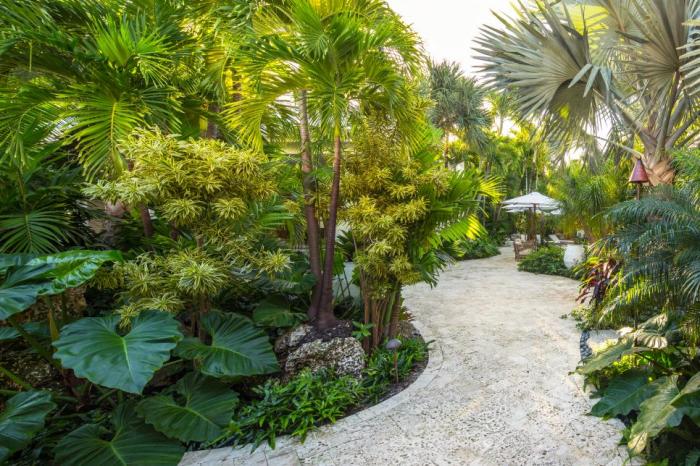
The design often incorporates curved lines and flowing pathways to mimic the natural forms found in tropical environments. The use of layering, with taller plants in the background and shorter ones in the foreground, adds depth and visual interest. A focus on creating a sense of enclosure and seclusion is common, using plants to screen views and create intimate spaces.
Plant Selection and Arrangement
Source: landscapingnetwork.com
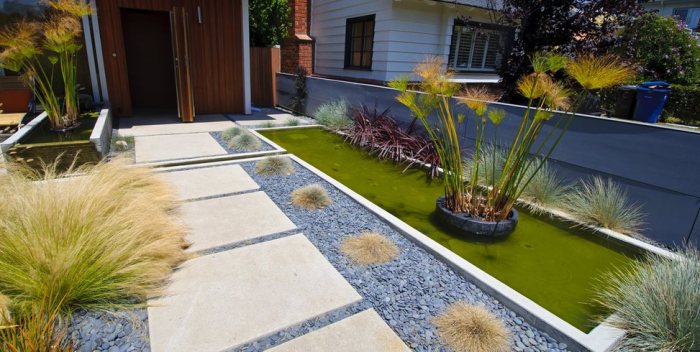
Careful plant selection is crucial for creating a thriving tropical backyard. A diverse palette of plants with varying heights, textures, colors, and flowering times ensures visual interest throughout the year.
Sample Plant Palette for a Tropical Backyard
Source: futurecdn.net
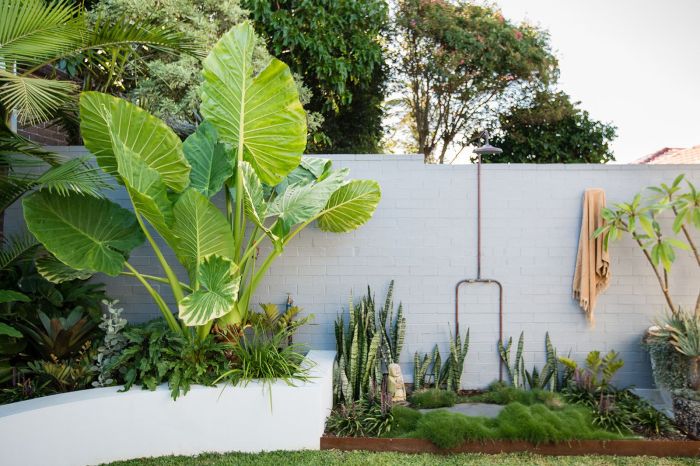
A sample palette might include: a tall, majestic Majesty Palm as a focal point, several smaller Areca palms for texture, vibrant red heliconias for color, various bromeliads in shades of green, purple, and orange, a creeping fig for ground cover, and fragrant ginger lilies for scent. This palette offers a mix of textures, colors, and heights.
Tropical Plants for Different Sun Exposures
Sun-loving plants like hibiscus and bougainvillea thrive in full sun, while shade-tolerant ferns and begonias prefer dappled or filtered light. Many tropical plants tolerate partial shade, making them versatile choices for various garden areas.
Effective Spatial Arrangement of Plants
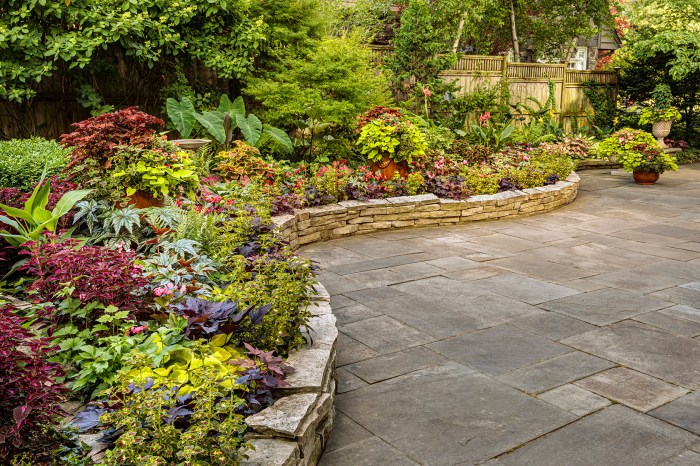
Source: provenwinners.com
Plants should be arranged in layers, with taller plants at the back and shorter ones in the front. This creates depth and prevents the garden from feeling flat. Clustering plants with similar needs together simplifies maintenance. Strategic placement can also create visual focal points and define different areas within the backyard.
Plant Maintenance Needs Comparison, Tropical Backyard Landscape
| Plant | Water Needs | Sunlight Needs | Pruning Needs |
|---|---|---|---|
| Hibiscus | Regular watering, especially during dry periods | Full sun | Regular pruning to maintain shape and encourage flowering |
| Ferns | Consistent moisture, avoid drying out | Partial shade to shade | Minimal pruning, remove dead fronds as needed |
| Bromeliads | Moderate watering, allow soil to dry slightly between waterings | Bright, indirect light | Minimal pruning, remove dead leaves as needed |
| Palms | Moderate watering, depending on the species | Varies by species, some full sun, others partial shade | Occasional pruning of dead or damaged fronds |
Incorporating Water Features
Water features add a dynamic element to a tropical backyard, enhancing both the aesthetic appeal and the overall ambiance.
Water Feature Options for a Tropical Backyard
Options include ponds (ranging from small, intimate designs to larger, more elaborate ones), fountains (offering a soothing sound and visual interest), and streams (creating a sense of movement and tranquility). The choice depends on the available space, budget, and personal preference.
Seamless Integration of Water Features
Water features should be integrated seamlessly into the overall landscape design. They can be used to create focal points, define different areas, or simply enhance the overall beauty of the garden. Natural-looking materials and plantings around the water feature help create a cohesive and harmonious design.
Benefits and Drawbacks of Water Features
Ponds offer a tranquil atmosphere and habitat for aquatic plants and wildlife but require regular maintenance. Fountains provide a visual and auditory focal point but can be more costly to install and maintain. Streams offer a sense of movement and dynamism but require careful planning to ensure proper water flow.
Design of a Small Pond System
A small pond, approximately 3ft x 4ft and 1.5ft deep, could include aquatic plants like water lilies and papyrus, creating a natural and visually appealing feature. Smooth, natural-looking stones can be used for the pond’s edges, blending seamlessly with the surrounding landscape.
Materials and Construction: Tropical Backyard Landscape
The choice of hardscape materials significantly impacts the overall aesthetic and functionality of a tropical backyard.
Suitable Hardscape Materials for Tropical Settings
Natural materials like stone, bamboo, and timber create a harmonious blend with the lush vegetation. Pavers in earthy tones complement the natural setting, while decking provides functional outdoor living spaces. Retaining walls are necessary to manage slopes and create level areas.
Use of Natural Materials
Bamboo is a versatile material for fencing, pathways, and structures, adding a distinctly tropical feel. Stone pathways and retaining walls create a sense of permanence and blend naturally with the surroundings.
Comparison of Pathway Materials
Stone pathways offer durability and a natural look, but can be more expensive than other options. Gravel pathways are less expensive but may require more maintenance. Concrete pathways are durable but can appear less natural.
Constructing a Small Retaining Wall
- Dig a trench to the desired depth and width.
- Lay a layer of gravel for drainage.
- Place the retaining wall blocks, ensuring they are level.
- Backfill the spaces between the blocks with soil and compact it. The last ground cover or other suitable plants to stabilize the wall and enhance its aesthetic appeal.
Lighting and Ambiance
Lighting is crucial for extending the enjoyment of a tropical backyard into the evening.
Designing a Lighting Scheme
A well-designed lighting scheme highlights key features such as plants, water features, and pathways, creating a warm and inviting atmosphere. A mix of ambient, task, and accent lighting creates depth and visual interest.
Different Lighting Types
Ambient lighting provides overall illumination, task lighting illuminates specific areas (like pathways), and accent lighting highlights particular plants or features. Low-voltage LED lighting is energy-efficient and ideal for creating a soft, inviting glow.
Creating a Relaxing Atmosphere
Warm-toned lighting, strategically placed to highlight textures and colors, creates a relaxing and inviting atmosphere. Subtle uplighting of plants creates a dramatic effect, while pathway lighting ensures safety and enhances the overall ambiance.
Distinct Lighting Scenarios
- Romantic Evening: Warm-toned uplighting on key plants, soft pathway lighting, and subtle water feature illumination.
- Party Atmosphere: Brighter, more widespread lighting, highlighting focal points with accent lights.
- Tranquil Night: Soft, ambient lighting throughout the garden, focusing on creating a peaceful and serene atmosphere.
Illustrative Examples
Imagining the sensory experience enhances the design process.
Lush, Vibrant Tropical Backyard Scene
Imagine a vibrant scene bursting with color and life. The air is thick with the scent of frangipani and ginger lilies. The sound of a gentle fountain blends with the rustling of palm leaves in a light breeze. Brightly colored heliconias and bromeliads catch the sunlight, contrasting with the deep greens of ferns and lush foliage.
Tranquil, Shaded Area
A tranquil corner, shaded by a canopy of banana trees and ferns, offers respite from the sun. The soft, dappled light filters through the leaves, illuminating a small stone fountain. The air is cool and humid, filled with the subtle fragrance of orchids.
Tropical Backyard at Sunset
As the sun dips below the horizon, the sky explodes with vibrant colors. The palm trees are silhouetted against the fiery backdrop, their fronds catching the last rays of sunlight. The water in the pond reflects the intense colors, creating a breathtaking spectacle.
Visual Impact of Plant Combinations
The contrast between the bold, vibrant colors of hibiscus flowers and the delicate, feathery texture of ferns creates a dynamic and visually stunning effect. The combination of tall, slender palms and shorter, spreading bromeliads creates a layered effect, adding depth and interest to the landscape.
Quick FAQs
What is the best time of year to plant tropical plants?
The ideal time to plant is during the warmest months, after the last frost, allowing for optimal growth.
How do I protect my tropical plants during winter?
Depending on your climate and plant hardiness, consider using frost cloth, moving plants indoors, or providing extra mulch for insulation.
What are some low-maintenance tropical plants?
Consider plants like bromeliads, snake plants, or certain types of palms, known for their tolerance to neglect.
How often should I water my tropical plants?
Watering frequency depends on the plant, soil type, and weather. Generally, aim for consistently moist but not soggy soil.
How can I prevent pests and diseases in my tropical backyard?
Regular inspection, proper plant spacing for air circulation, and using organic pest control methods are crucial.
Comments are closed.